- Written by: Joe Kelly
- Art by: John Romita Jr., Scott Hanna
- Colors by: Marcio Menyz
- Letters by: VC’s Joe Caramagna
- Cover art by: John Romita Jr., Scott Hanna, Marcio Menyz (cover A)
- Cover price: $4.99
- Release date: November 19, 2025
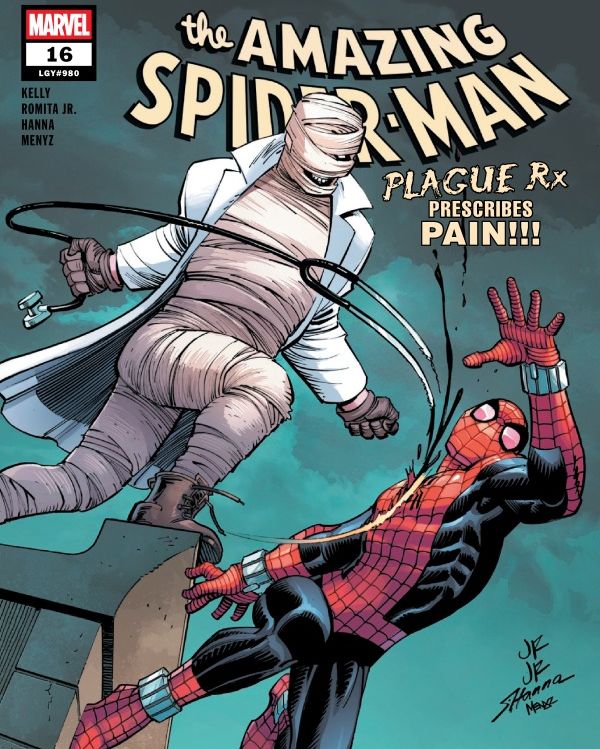
Amazing Spider-Man #16, by Marvel on 11/19/25, plunks readers straight into a web of regret, tough love, and villainous pain management.
First Impressions
This issue begins with a feeling of exhaustion and debt (both emotional and literal) as familiar faces circle Peter’s absence like sharks at feeding time. It’s an opening that drips with tension, both in the dialogue and in the heavy, purposeful artwork, and the first gut reaction is a mix of unease and curiosity as the emotional debts get called in. Money-back guarantees are not included, but the drama is certainly paid in full.
Recap
In Amazing Spider-Man #15, Peter Parker’s day (or let’s be real—his entire existence) was a cosmic wrestling match stuck between apology tours, nightmare family reunions, and arena brawls on alien turf. His genuine desire to help everyone landed him in a gladiatorial space circus with Rocket Raccoon, a tech suit, and evil cosmic bureaucrats looking to cash in. Ultimately, hopes for closure fizzled as alliances dissolved, loose ends frayed, and Peter’s moral compass spun ever more erratically. The sentient suit made its exit stage left, and the story wound down in existential malaise, with Rocket chasing his family’s fate and Peter stuck asking himself, again, why he’s here.
Plot Analysis
The dawn finds New York City and Peter Parker’s old haunts steeped in tension. Aunt May’s apartment is ground zero for guilt-tripping and steely maternal resolve, as old friends and former enemies alike circle the wagons to hash out what went wrong with Peter. The other spider-heroes and even Norman Osborn try their best with the poor guy; so much so that Norman’s attempts at heroism result in awkward alliances and more fisticuffs than therapy sessions.
Meanwhile, Ben Reilly (the other, decidedly less exhausted Parker) is waist-deep in scientific breakthroughs, patent jokes, and world-changing tech. Astrid and Brian, partners in genius, celebrate innovations that could revolutionize housing. These personal successes serve as a sharp contrast to the existential crisis enveloping the rest of the cast.
As Norman Osborn tries to play Spider-Man one last time, a dinner with Peter’s boss, Maira, is interrupted by a fake attack from Shocker that turns out to be an invitation from Tombstone, and his new ally, Plague Rx, and pain empath. Osborn wins the introductory fight, breaking Tombstone’s arm for good measure, but he leaves the scene with more uncertainty than ever. Osborn’s internal monologue, running guilt, and failed redemptions make for some of the issue’s most biting moments.
But the centerpiece is a new villain: Plague RX, whose power literally absorbs pain like a financial institution. Injuries from past brawls get returned to sender, and every punch lands with interest. By issue’s end, Osborn must admit the truth: he’s not the Spider-Man that everyone needs, and trying to be Peter is a job that comes with more pain withdrawals than hero dividends.
Writing
Dialogue stays sharp and loaded with barbs. Everyone’s talking, and everyone’s wounded. The pacing hops between raw family drama, rapid-fire villain encounters, and reflective monologues. Structure holds up well, blending personal vignettes with big set-piece fights, yet every scene feels just one energy drink shy of a mental breakdown. The story moves, but not always smoothly.
Art
John Romita Jr.’s pencils feel heavier than usual, delivering hard shadows and bold character designs. Panel composition is robust, action scenes are easy to follow, and Joe Caramagna’s lettering sells both the violence and emotional fatigue. Marcio Menyz’s colors push the mood from cold dawns to acidic villainy and soft conversations, always reinforcing the sense of weary heroics.
Character Development
Norman Osborn’s motivation hovers between redemption and raw need, but he’s clearly in danger of losing his mind one scheme at a time. Aunt May, Ben Reilly, and the supporting cast get moments that make them feel real, flawed, and relatable, even if Peter himself is more a phantom than a protagonist. There’s a relentless logic to everyone’s actions, making the drama stick; but the revolving door of pangs and confessions wears thin on repeat.
Originality & Concept Execution
“Pain banking” as a superpower? Original, yet so outlandish it’s almost funny, and the concept works for a Spider-Man comic that’s never afraid to cash in on bizarre, uncomfortable premises. The execution, however, sometimes trades freshness for confusion; the villain’s gimmick loses focus amid family drama and lab breakthroughs.
Positives
Every dollar spent on this issue buys genuinely witty dialogue, refreshingly human moments, and a battle of wits between heroes and villains that rarely feels forced. The art team hits emotional beats hard, offering panels that capture pain and struggle with unusual clarity. For readers invested in Spider-Man’s extended family and rogues, this comic delivers a high turnover of interesting character moments, especially around Osborn and May.
Negatives
If you’re looking for clean plot logic and seamless narrative payoff, keep the receipt. The story swings between too many tones – science breakthroughs, villain attacks, and dense family drama – sometimes losing coherence. Plague RX’s “pain-as-a-bank” power, while clever, results in an uneven conflict that risks alienating those not already knee-deep in the ongoing saga. Not every scene lands, and the high emotional pitch starts to feel like a taxing investment.
About The Reviewer: Gabriel Hernandez is the Publisher & EIC of ComicalOpinions.com, a comics review site dedicated to indie, small, and mid-sized publishers.
Follow @ComicalOpinions on YouTube, Facebook, Instagram, and Twitter
The Scorecard
Writing Quality (Clarity & Pacing): 2/4
Art Quality (Execution & Synergy): 2.5/4
Value (Originality & Entertainment): 1/2
Final Verdict
If Amazing Spider-Man #16 were a financial statement, it would show a lot of emotional withdrawals but not enough deposits to justify the full price. Strong art and sharp dialogue keep fans afloat, but erratic plotting and a parade of pain leave this issue best suited for those already committed to the Parker-Osborn drama. Budget-conscious readers might hold out for a more focused installment. This one’s for diehards with plenty of patience.
5.5/10
We hope you found this article interesting. Come back for more reviews, previews, and opinions on comics, and don’t forget to follow us on social media:
Connect With Us Here: Weird Science DC Comics / Weird Science Marvel Comics
If you’re interested in this creator’s works, remember to let your Local Comic Shop know to find more of their work for you. They would appreciate the call, and so would we.
Click here to find your Local Comic Shop: www.ComicShopLocator.com
As an Amazon Associate, we earn revenue from qualifying purchases to help fund this site. Links to Blu-Rays, DVDs, Books, Movies, and more contained in this article are affiliate links. Please consider purchasing if you find something interesting, and thank you for your support.
 Weird Science Marvel Comics